

Orthodontic Retainers
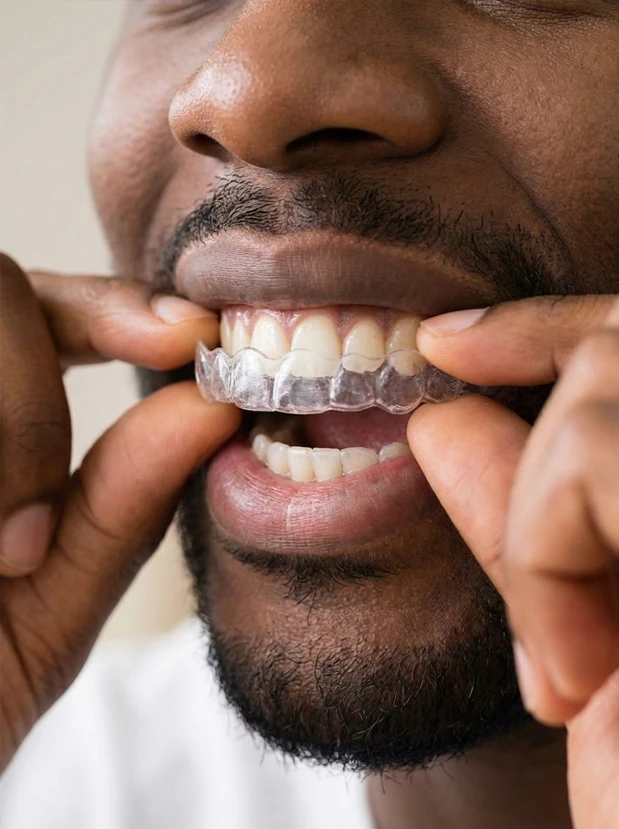
Retainers are a critical tool for keeping teeth in place after braces or aligners come off.
From fitting new retainers to troubleshooting problems with existing ones, we can help with all retainer needs.
We’re now welcoming new patients. Get in touch to learn more and take the next step.
Maintaining Results
Retainers: Essential After Treatment
Teeth don’t solidify in place the day braces or aligners come off. The bone and the soft tissues around teeth need time to remodel and stabilize in the new position. This remodeling process takes time – months or even years – and during that window teeth are especially prone to shifting.
Retainers counteract both of these forces.
They hold teeth steady while everything around the teeth adapts. Skip them, and the treatment results can start unwinding.
Patients will be given a wear schedule based on the case. Some patients start full-time wear and then taper. Other cases need more retention from day one. The goal is the same: keep the result stable and predictable.
Types of Retainers
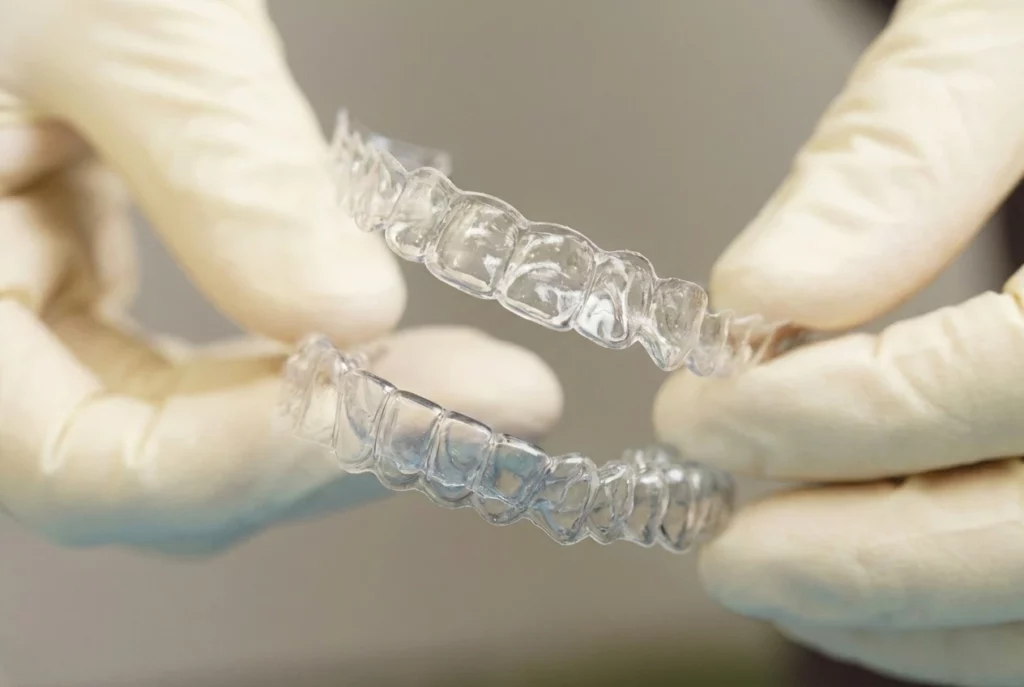
Removable Retainers
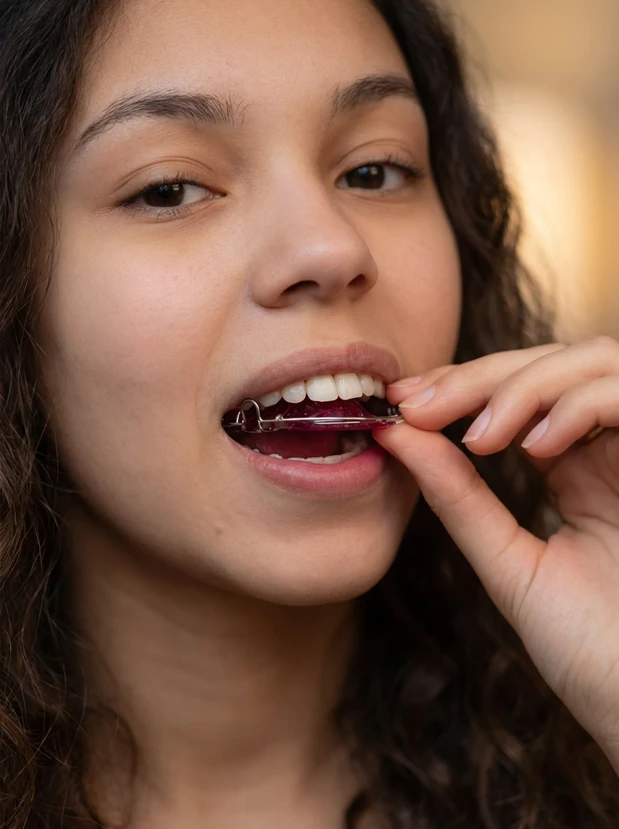
Common removable options include:
- Clear retainers: Thin, transparent trays that fit over the teeth and look similar to clear aligners. They’re low-visibility and easy to wear at night.
- Hawley retainers: Classic acrylic design that sits against the roof of the mouth (or behind lower teeth), with a wire that wraps around the front. More durable, but more noticeable, than clear retainers, and adjustable if minor movement happens.
Both types require consistent wear, especially in the first year after treatment. Dr. Hagan provides a specific schedule so patients who follow it keep their results.
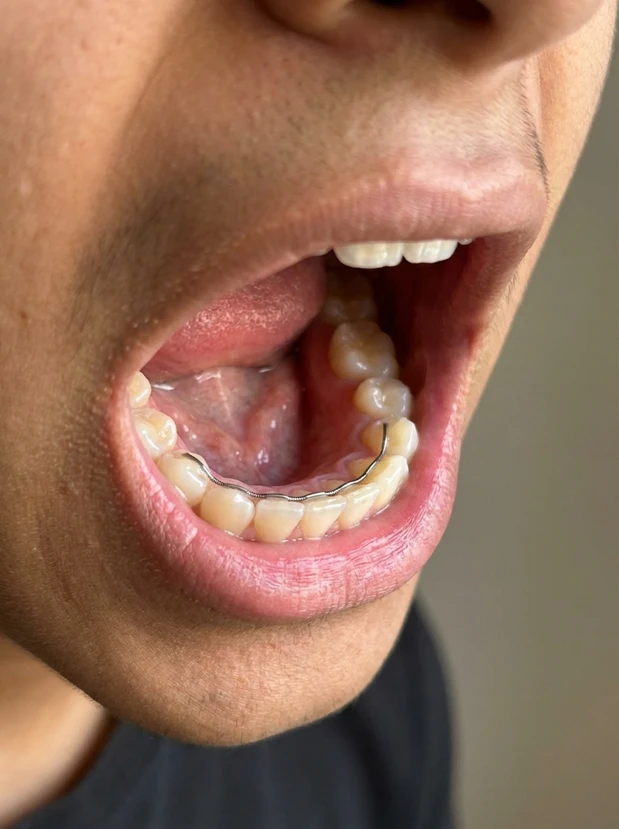
Fixed Retainers (Permanent)
A fixed retainer is a thin wire bonded to the back of the teeth, most commonly on the lower front teeth (and sometimes the upper front teeth too).
Why Dr. Hagan may recommend fixed retention:
- Patient has high relapse risk. If the lower front teeth were crowded or rotated, fixed are often the best option.
- Less compliance required. Patients don’t have to remember to wear it.
- Long-term stability. Retainer acts as safety net, especially for the teeth prone to shifting long after treatment.
A fixed retainer does require patients to practice proper oral hygiene, and be examined at regular dental cleanings.

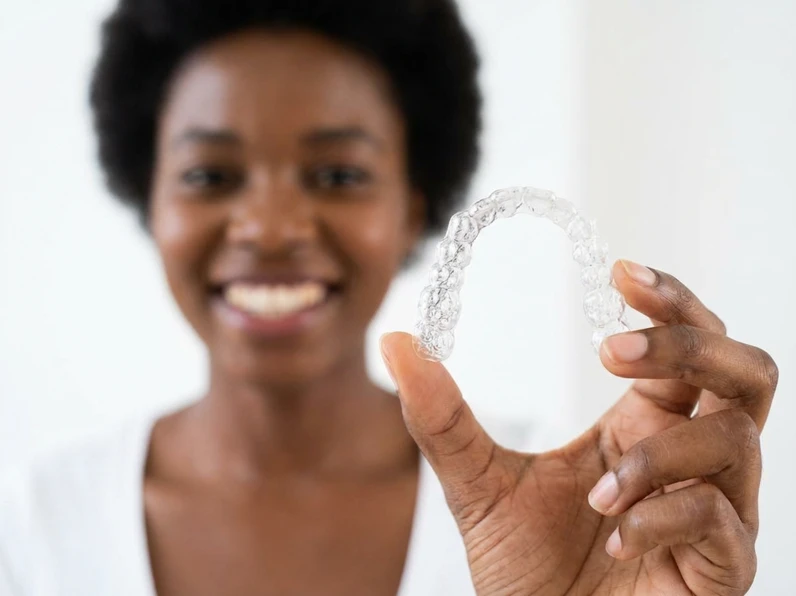
Less visible, Highly effective
Caring For Retainers
Use a Case
For removable retainers, keep them in a case when not in use. No case leads to lost retainers.
Avoid heat
Very hot water, dishwashers, car dashboards, and other warm areas can warp clear retainers.
Brush and Floss
Brush and floss regularly, as retainers work best when gums and teeth healthy. For fixed retainers, floss behind the wire or use a water flosser.
Orthodontic Retainers FAQ
Contact Us
Now Accepting Patients
Get in touch with our team to learn more and start your journey.
Communities we Serve
We treat patients from across Washington, D.C., Prince George’s, Anne Arundel, Charles, and Calvert counties, and more. Some communities we serve include: